


Your potential clients are searching for construction services online. If your company isn’t showing up on Google, they’re finding someone else—probably your competitor.
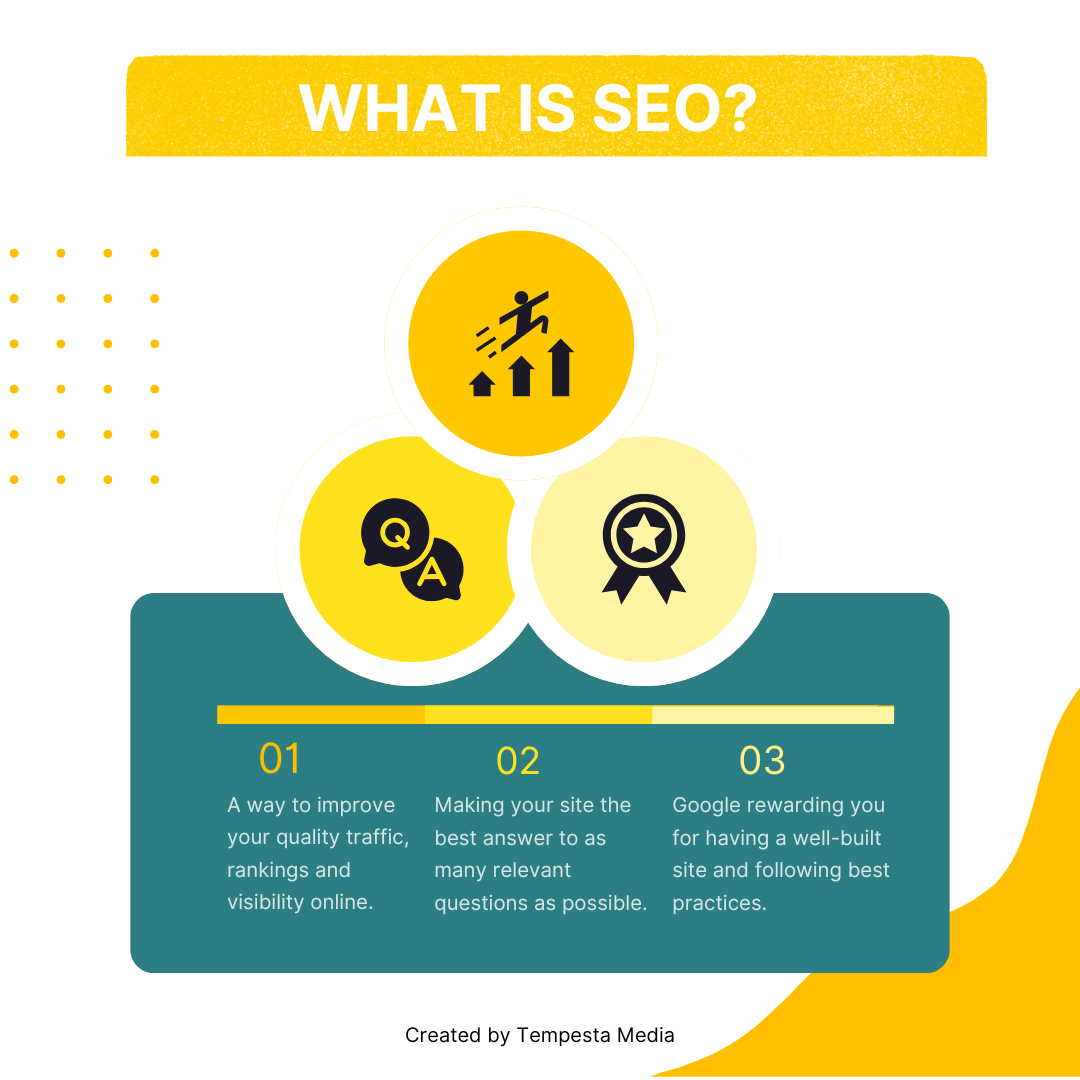
That’s where SEO (Search Engine Optimization) comes in. A well-optimized website helps you rank higher, attract quality leads, and book more projects—without spending a fortune on paid ads.
“SEO for construction companies isn’t just about rankings—it’s about getting the right leads. When done right, organic search puts your business in front of people who are already looking for your services, not just random traffic.” — Erica Abrahams, Director of Service Delivery
This guide outlines practical, no-fluff SEO strategies that help construction businesses get found, generate leads, and grow sustainably.
Let’s dive into how to improve SEO for construction companies.
SEO for Construction: Key Takeaways on how to improve SEO for construction companies
- Keyword research matters – Find out what your ideal clients are searching for and use those terms in your content.
- Content is king – Well-structured service pages and blogs help you rank higher and attract better leads.
- Local SEO is a game-changer – Your Google Business Profile and local directories help customers in your area find you fast.
- Technical SEO improves rankings – Site speed, mobile friendliness, and strong page structure make your website easier for Google to rank.
- Backlinks build authority – Getting links from reputable sources increases your credibility and search engine rankings.
SEO for Construction Companies: Step 1 – Find the Right Keywords
Your customers are searching for construction services—but how they search matters.
A homeowner looking for a remodeler won’t just type “construction company” into Google. They’re searching for specific solutions like:
- Custom home builders in [your city]
- Roofing contractors near me
- Affordable kitchen remodeling services
Start with Google Keyword Planner, SEMrush, or Ahrefs to uncover high-volume, low-competition keywords.
But here’s the trick: don’t go after the most popular ones. If the term “construction company” has 100,000 searches a month, you’re competing with every major firm in the country. Instead, focus on long-tail keywords—phrases that are specific and intent-driven.
Instead of: “roofing contractor”
Try: “best residential roofing contractor in Dallas”
Longer phrases attract clients who are ready to hire, not just browse.

Step 2: Optimize Your Website Content
Your website isn’t just a digital brochure. It should be your best salesperson, convincing visitors that you’re the right company for the job.
Every Service Page Is an Opportunity—Make It Count
Each service should have a dedicated page, whether it’s roofing, remodeling, or commercial builds. Here’s what to include:
- Clear, straight-to-the-point descriptions of your services
- Real project photos (not stock images)
- Customer testimonials to build trust
- SEO-friendly headlines and meta descriptions
Consider your service pages as landing pages for specific problems your customers are trying to solve.
Blogging That Helps Your Business
A blog isn’t just about posting articles—it’s a powerful tool to attract traffic and build trust.
Write about topics your customers actually care about. Examples of good topics for construction companies are:
- “How Much Does a Home Renovation Cost in 2025?”
- “5 Signs You Need a Roof Replacement”
- “The Biggest Construction Mistakes Homeowners Make”
When you answer real customer questions, Google rewards you with higher rankings, and potential clients see you as an expert.
Update Old Content Instead of Starting from Scratch
Refreshing old pages with new images, better keywords, and updated insights can boost rankings without writing from scratch. It’s like renovating an old house—sometimes, a few upgrades make all the difference.
Step 3: Make Google Love Your Website
Fix Titles and Meta Descriptions
Your title tag is the first thing people see in search results—make it count.
Bad title: ABC Construction | Services
Good title: Top Custom Home Builders in Austin – Free Estimates
Your meta description should be clear and action-driven:
Need a trusted home builder in Austin? We specialize in custom homes with transparent pricing. Get a free quote today.
Make Your Content Easy to Read
Google ranks well-structured content higher because it’s easier to digest. Use:
- Short paragraphs (no walls of text)
- Headers (H1, H2, H3) to break up sections
- Bullet points for key takeaways
- Optimize Your Images
- Rename files with descriptive keywords (kitchen-remodel-dallas.jpg instead of IMG_1234.jpg).
- Add alt text so Google understands what the image is about.
Compress images to speed up your site—nobody likes waiting for a slow-loading page.
Step 4: Focus on Local SEO
If you’re a construction company, local SEO is everything. People aren’t searching for random builders—they want one near them.
Your Google Business Profile is Your Bread and Butter
Ensure your Google Business Profile (formerly Google My Business) is fully optimized.
- Use your full business name (not just “ABC Construction”)
- Add high-quality project photos
- Keep your address, phone number, and hours up to date
- Get customer reviews—the more, the better
- List your business in local directories
Submit your company to trusted directories like:
Your Name, Address, and Phone Number (NAP) should be consistent across all listings.
Create Location-Specific Content
If you serve multiple areas, create pages and blog content tailored to each location.
Examples:
- Best Custom Home Builders in Houston: What to Look For
- How to Choose a Roofing Contractor in Miami
- Localized content tells Google exactly where you operate.
Step 5: Get Backlinks That Matter
Backlinks (when another website links to yours) tell Google that your business is trustworthy.
How to Get Quality Backlinks for Construction Companies
- Guest post on industry websites
- List in construction directories
- Partner with local businesses and suppliers
- Sponsor community events (many organizations link back to sponsors)
Step 6: Track, Test, and Improve
SEO isn’t a one-time fix—it’s an ongoing strategy.
Use SEO Tools to Measure Progress:
- Google Analytics – Track visitor behavior and traffic sources
- Google Search Console – Monitor keyword rankings and technical issues
- SEMrush & Ahrefs – Analyze backlinks and competitors
Ask Yourself Every Month:
- Are my rankings improving?
- Are my leads increasing?
- Which pages get the most traffic?
Double down on what works and refine what doesn’t.
Step 7: Get More Customer Reviews
Reviews build trust and boost local rankings.
- Make it easy for customers to leave reviews
- Send a follow-up email with a direct link to your Google review page
- Ask in person after completing a project
- Highlight top reviews on your website
- Respond to every review, even negative ones. A professional, thoughtful response shows potential customers you care.
Final Thoughts
SEO isn’t about chasing Google’s algorithm. It’s about making it easy for the right customers to find you.
By optimizing your website, focusing on local SEO, and consistently improving, you can turn organic search into a steady stream of leads—without constantly paying for ads.
Tempesta Media for Construction Marketing
Need expert help? Tempesta Media specializes in SEO for construction and trade businesses. Contact us today to see how we can help your company grow. Our Rank Solution aims to drive high-quality leads for contractors, allowing you to focus on winning and implementing more jobs.


