Key takeaways:
- DIY home projects are on the rise. Many competitors see it as competition.
- Interest in DIY projects is actually beneficial for your business in the trades.
- There are opportunities to fix DIY projects gone wrong, and homeowners interested in DIY are more likely to invest in big projects.
- Tempesta Media can help you connect with these homeowners who care about home improvement.
From painting and tiling to wiring smart home devices, homeowners are doing more than ever before, or at least, they’re trying to.
For contractors, this rise in DIY home projects may look like competition. However, the reality is that it presents an opportunity. Behind every overconfident homeowner with a paint roller is someone who values craftsmanship, problem-solving, and improvement; the very traits that define the trades.
With the right home services marketing strategy, contractors can position themselves as educators, experts, and trusted allies in the DIY movement, not competitors.
Why DIY Is on the Rise
Several factors are fueling the DIY boom. Inflation and cost-of-living pressures have made homeowners more mindful of their expenses. Social media has normalized sharing renovation projects online, while platforms like YouTube and Pinterest make complex jobs seem approachable.
But this trend goes beyond saving money. After years of remote work and lockdown living, people yearn for a sense of connection to their surroundings. They want control, creativity, and satisfaction, which are things the trades are all too familiar with.
Homeowners are also investing more in upgrades, not just maintenance. The global home improvement market is projected to surpass $600 billion by 2026, driven by DIY interest and home value appreciation. That’s a signal to contractors: people are ready to spend, they just need help spending wisely.
When DIY Becomes “Do-It-Again” Work
DIY success stories may dominate social media, but the reality is less glamorous. A quick search for “DIY fails” proves how easily small mistakes can lead to big bills.
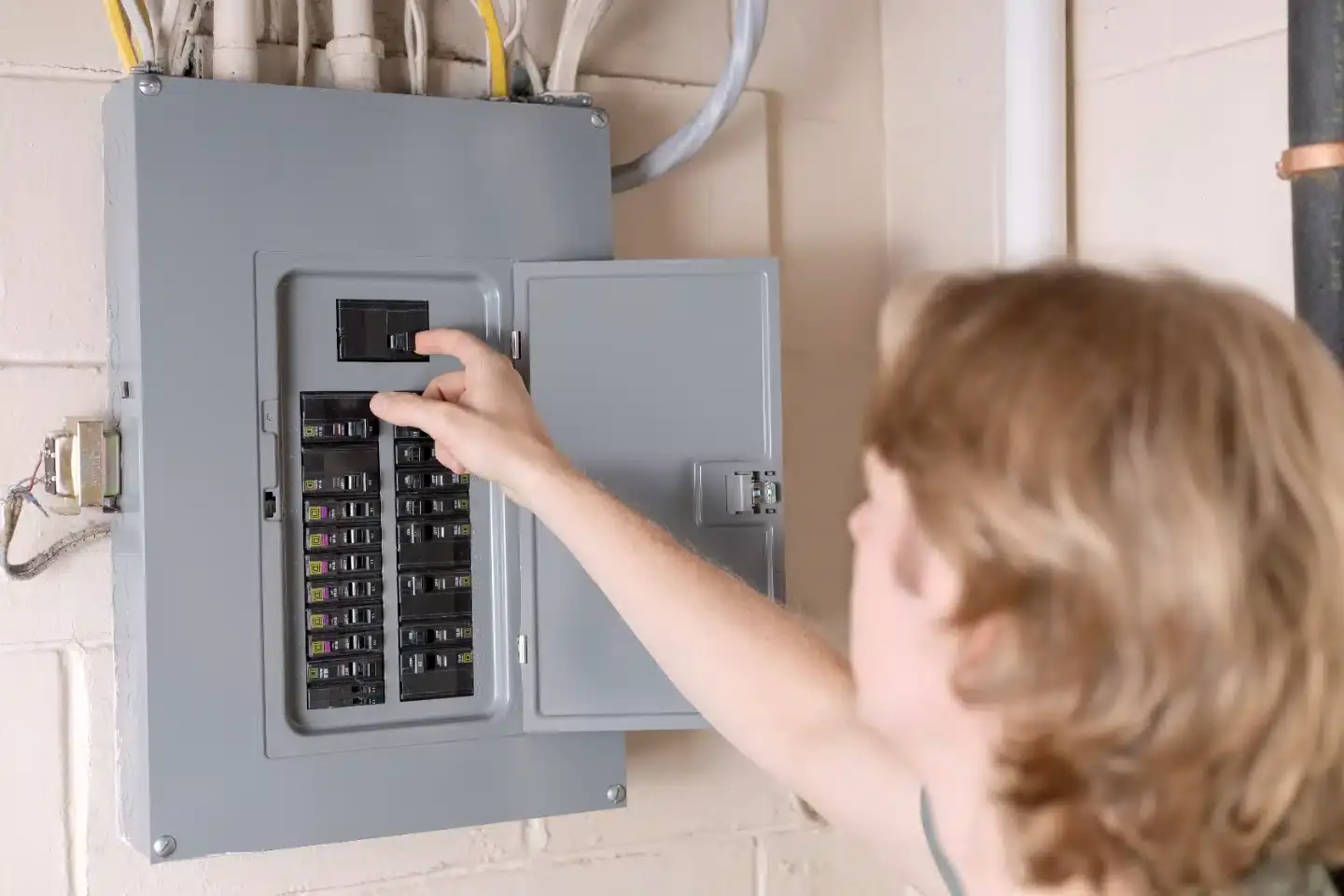
Poor electrical work can trigger safety issues. Plumbing errors often cause leaks or water damage. And half-finished projects, abandoned after frustration sets in, can lead to costly reworks and even affect a home’s value.
This is where licensed contractors step in. Every failed DIY attempt creates an opportunity for repair, reinforcement, or rescue work. and more importantly, for building trust.
Smart contractors are reframing these moments as opportunities to build their brand. Instead of shaming homeowners for failed projects, they offer education, transparency, and second chances. The message is clear: “We’re here to help you finish what you started, safely and professionally.”
Turning DIY Interest into Business Growth
Contractors who see the DIY movement as a marketing opportunity are already ahead of the curve. Here’s how to convert DIY curiosity into booked jobs.
1. Teach, Don’t Compete
Create content that educates rather than sells. Blog posts, videos, and short how-to guides that answer common questions (“How do I know if I need a professional?” or “When should I call an electrician?”) position your business as a trusted expert.
2. Promote Hybrid Services
Offer consultation-style packages, where your team guides homeowners through part of a project and then steps in for the technical or safety-critical aspects. It bridges the gap between independence and expertise.
3. Leverage Reviews and Real Stories
Showcase before-and-after projects, especially rescue jobs. Homeowners connect with authentic experiences, and proof that hiring a professional saves money and stress in the long run.
4. Invest in Smart Content and SEO
A strong home services marketing strategy includes consistent content optimized for both SEO (Search Engine Optimization) and AEO (Answer Engine Optimization). As AI-driven search tools like ChatGPT and Google’s AI Overviews evolve, answering natural-language questions like “should I try to fix this myself?” can earn your business visibility in new search spaces.
The Long-Term Payoff for Contractors
The DIY movement isn’t replacing the trades; it’s expanding awareness of what contractors do. When people attempt projects themselves, they gain a deeper appreciation for professional work.
By aligning with the DIY community through education, transparency, and engagement, contractors are earning more than just jobs; they’re gaining trust and long-term loyalty.
The future of home improvement isn’t about doing it yourself or hiring a pro. It’s about collaboration, and that’s where the most successful contractors are already positioned.
DIY Home Project: From Trend to Opportunity
DIY home projects are here to stay. For the trades, that’s good news. The rise in homeowner initiative signals growing respect for skilled labor and craftsmanship. Contractors who adapt their marketing strategies to embrace this shift, by guiding, educating, and supporting their clients, will not only survive the DIY era but also thrive in it.
Tempesta Media helps contractors do precisely that. With tailored digital strategies, SEO, and AEO-driven content marketing, we help home service businesses turn visibility into profitability. Schedule your discovery call today to learn more about our solutions, specifically designed for the trades.
FAQ
Should contractors be concerned about DIY trends harming their business?
No, DIY interest often leads to rescue work when projects go wrong, and homeowners who care about improvement are more likely to invest in professional services for bigger projects.
How can contractors turn DIY enthusiasm into business opportunities?
By creating educational content, offering consultation services, and positioning yourself as a helpful expert rather than a competitor to DIYers.
What types of DIY projects most often need professional help?
Electrical work, plumbing, and structural projects frequently require professional intervention due to safety concerns, code compliance, and technical complexity.
How does content marketing help contractors reach DIY homeowners?
SEO and AEO-optimized content answers common homeowner questions, builds trust, and positions your business as the go-to expert when they’re ready to hire a professional.